Bridging the gap in online flower shopping
Duration: Sep 2025 - Nov 2025
My role: UI/UX Designer
Why Floral e-commerce still hasn't bloomed ?
While online shopping continues to flourish across industries like fashion, food, home decor, the floral e-commerce space still
struggles to bloom at the same pace. Product perishability, complex logistics and emotionally driven purchasing pattern make
the floral market uniquely challenging. Existing platforms rarely provide intuitive customisation, transparent delivery and
delightful experience that mirrors the warmth as buying flowers in person. These usability and trust gaps prevent the floral
industry from reaching the same growth as other retail sectors.
Flora
How we plan to help Flora bloom?
Enable easy customisation of bouquet, ribbons, and message cards.
Build trust and transparency with clear delivery tracking and
availability updates.
Create an emotionally engaging experience that reflects the warmth of
in-person flower shopping.
Enhance visual clarity by enabling users to preview bouquet size,
freshness and flower stage (bud/bloom) before making purchase.

Understanding User and the Market
To understand how people shop for flowers online, I conducted user interviews, surveys and competitive analysis. I
initially assumed users primary valued visual design and product variety, but research showed that trust, transparency
and reliability such as delivery tracking, product freshness and customisable options were far more crucial. These
insights informed a design approach focused on enabling intuitive customisation, building trust through transparency,
enhancing visual clarity and creating an emotionally engaging experience.
Limited trust in product quality
Users worry that flowers wont look fresh or match the online images.
Designing clear product photos with description, 3D view and the
flower current stage.
Complicated customisation
Users feel overwhelmed while customising bouquet, unsure how to
personalise for specific occasion. Providing intuitive customisation
options like select flower, ribbons, wraps, letters and easy add/remove
item will make experience seamless.
Difficulty finding suitable arrangement
Users struggles to identify the right bouquet for different occasions.
Implementing intuitive filters, recommendations and description of
each flowers meaning would help user build confidence.
Lack of delivery transparency
Users are anxious about delivery times and flower condition upon
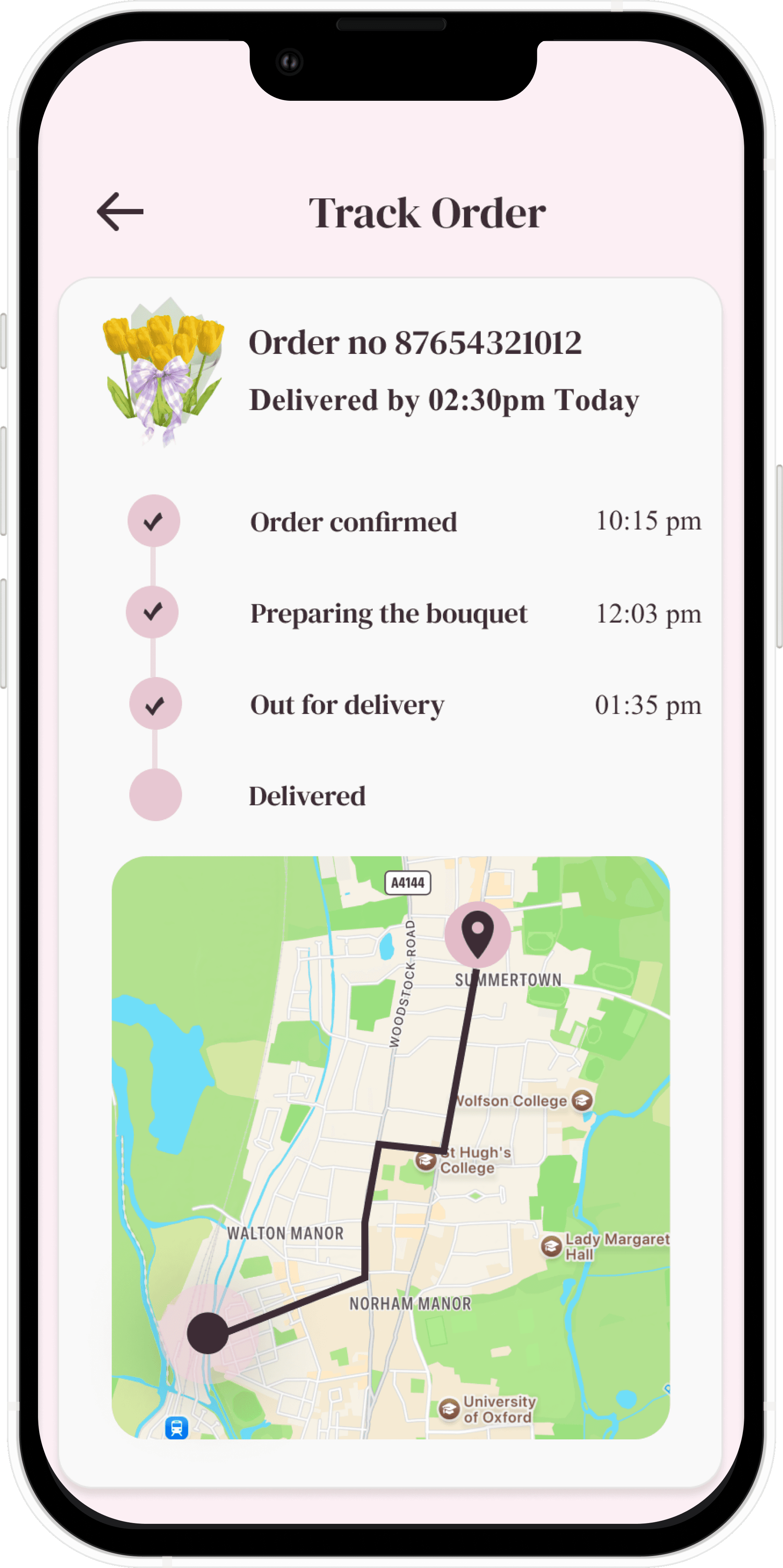
arrival. Providing clear tracking, realtime notification will make the
process reassuring.
Taylor Grace
Age:
Education:
Hometown:
Family:
Occupation:
27
Bachelors
Oxford, UK
Alone
Real Estate agent
"I need an app that helps me quickly
schedule and send professional flower
to clients"

A year ago Taylor Grace started
working as a real estate agent.
She frequently gifts flowers to
clients after closing deals and
for special occasions. She wants
the process to be quick, professional
and reliable. While she is particular
with her choices and appreciates
aesthetics, what matters most is
convenience and ensuring the
delivery leaves a good impression.
Quickly find professional looking
arrangements suitable for clients.
Schedule deliveries in advance.
Customise bouquet a message card
easily.
Difficulty managing multiple orders for
different clients.
No option to store client info.
Uncertainty about delivery reliability and
presentation.
Limited ability to preview arrangements to
check if they look formal.
Goals
Frustrations
Who we are designing for ?
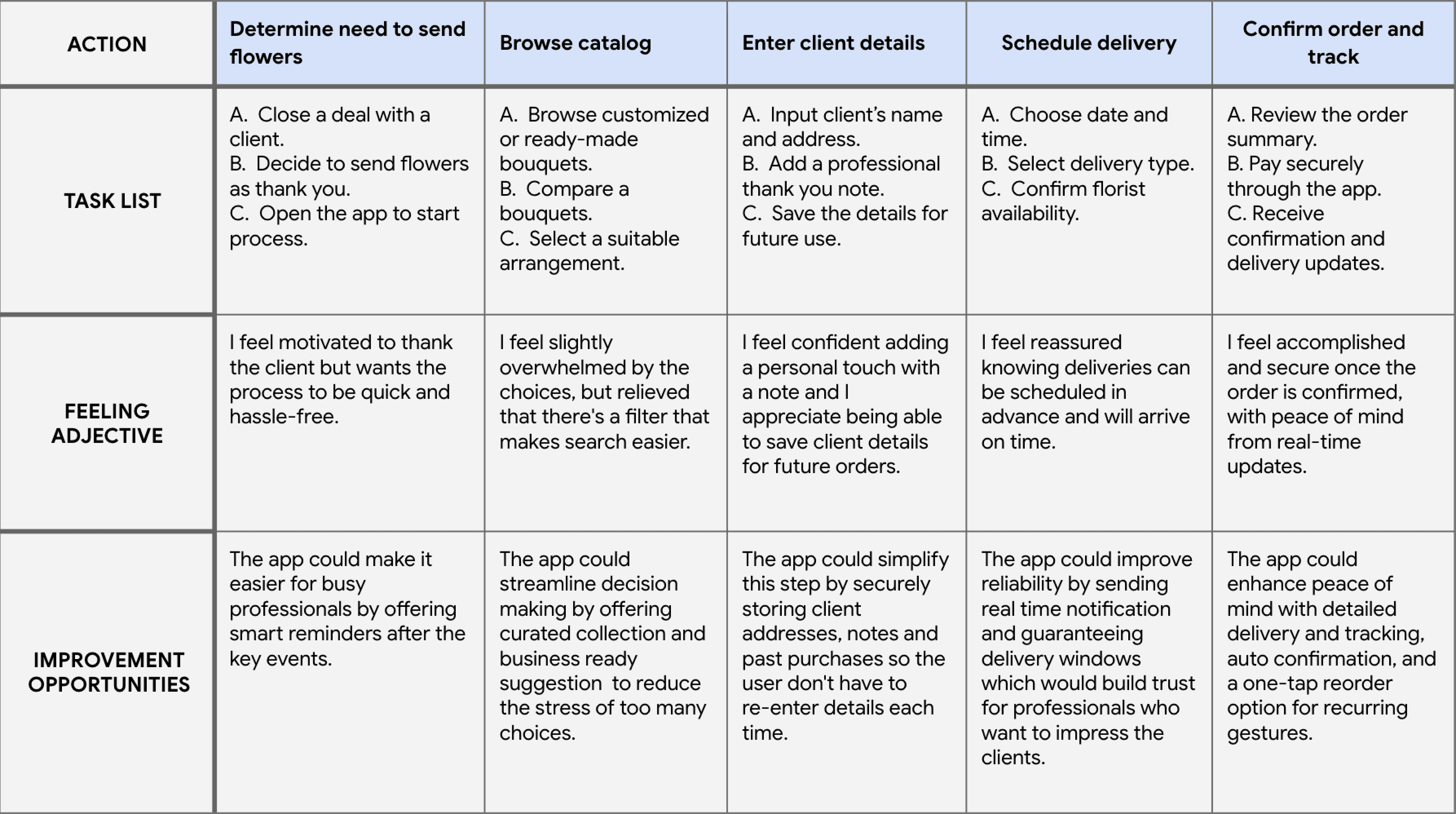
User journey map
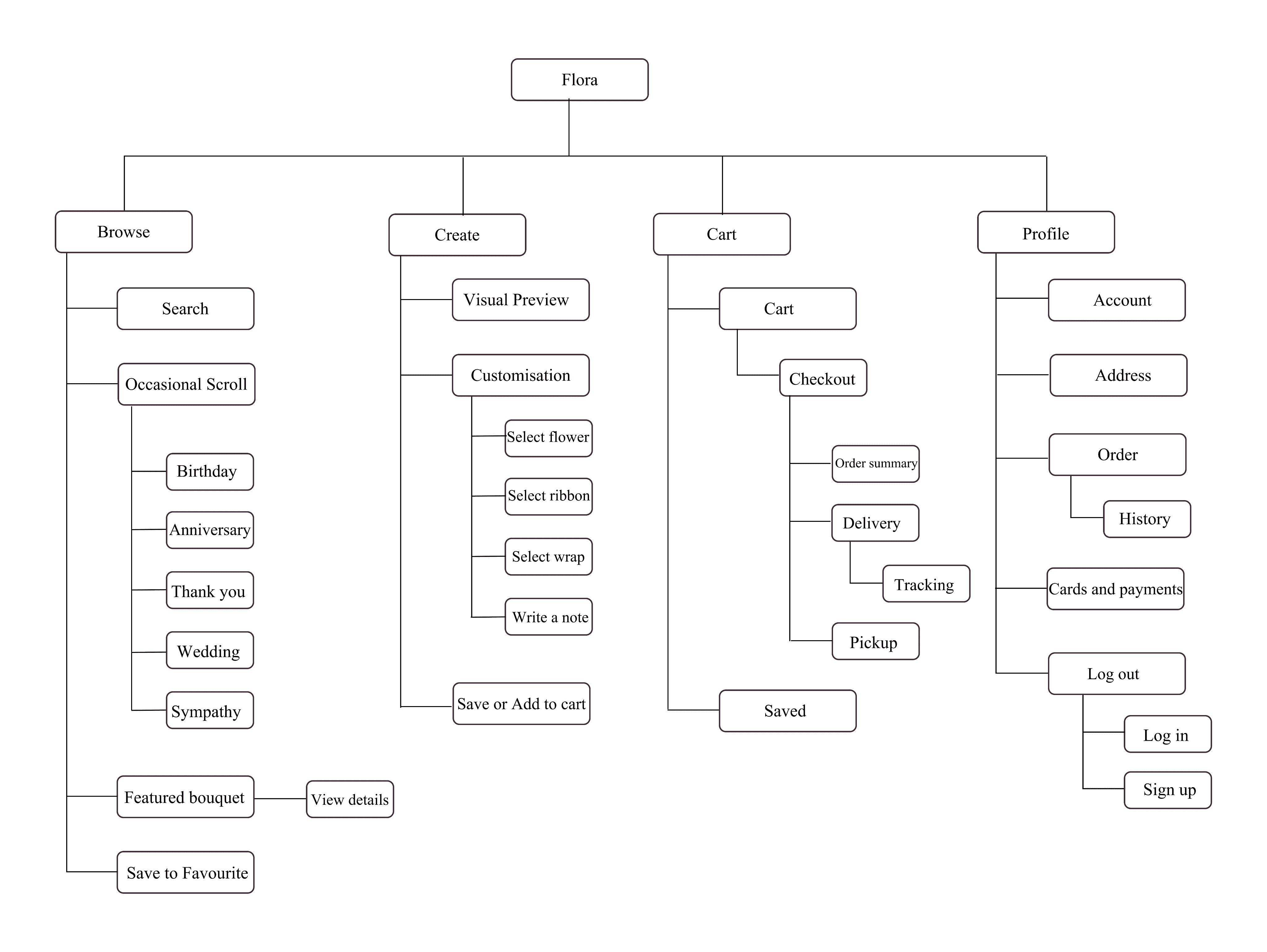
Information Architecture
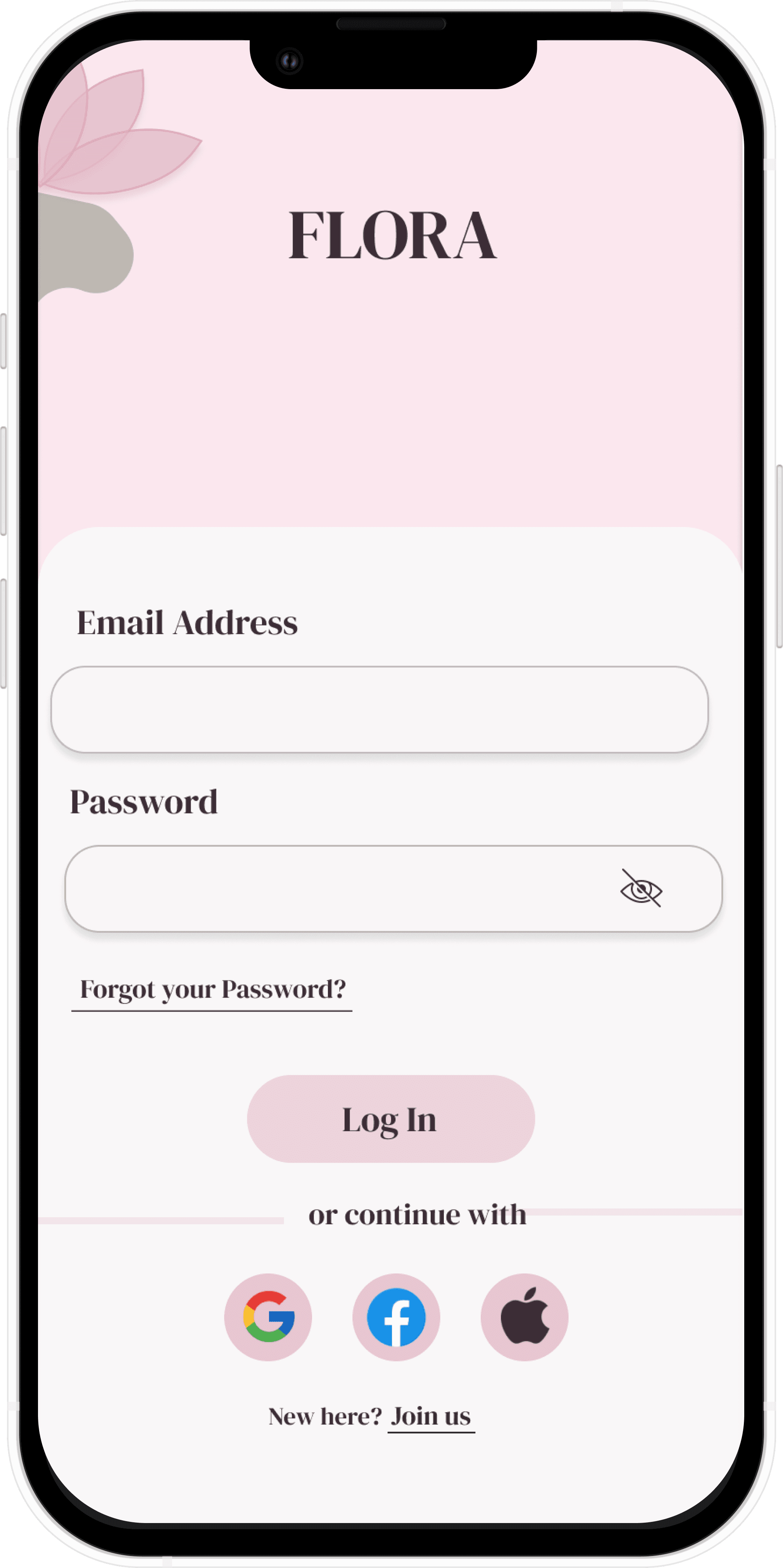
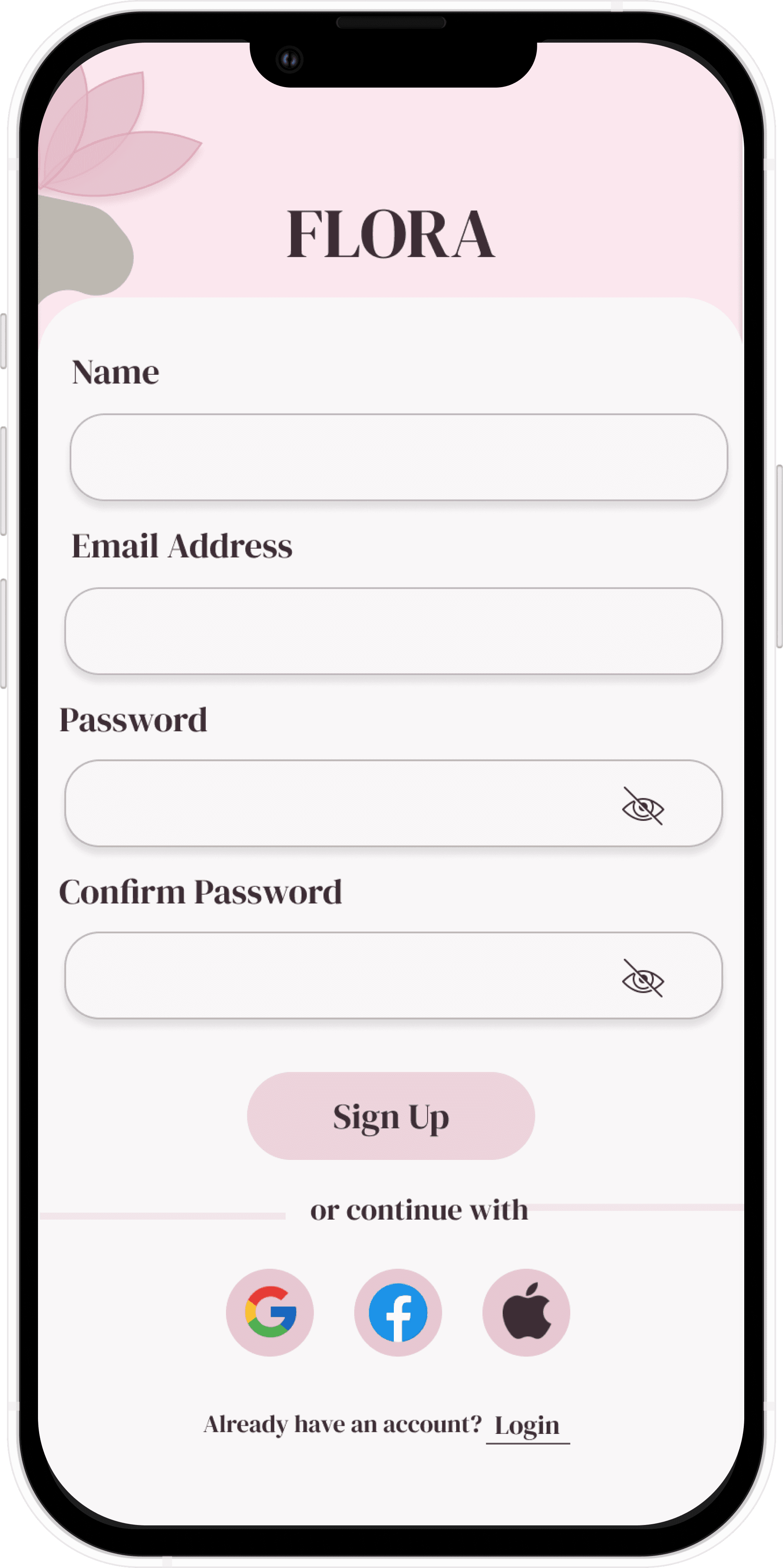
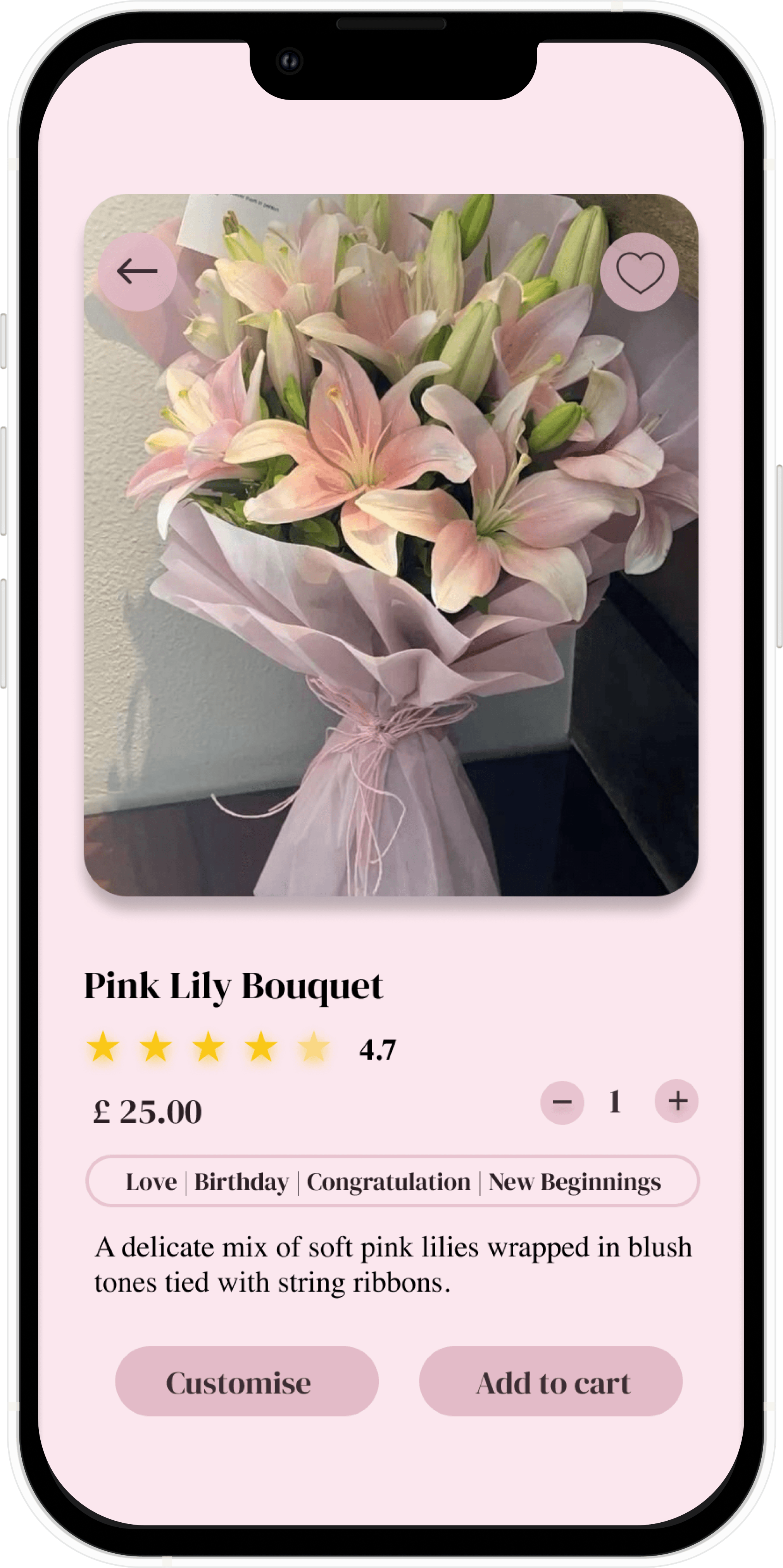
Hight-fidelity UI Design
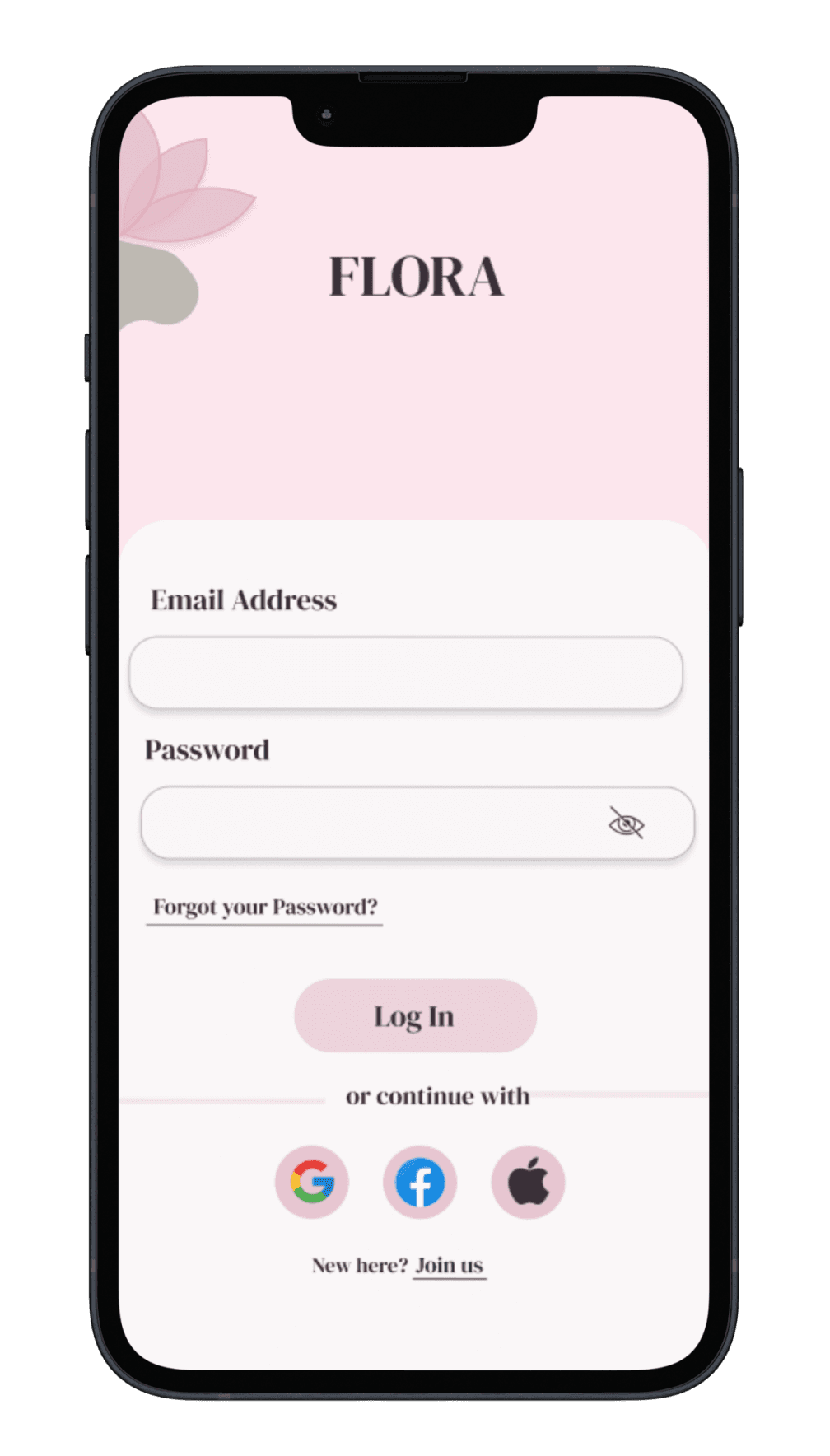
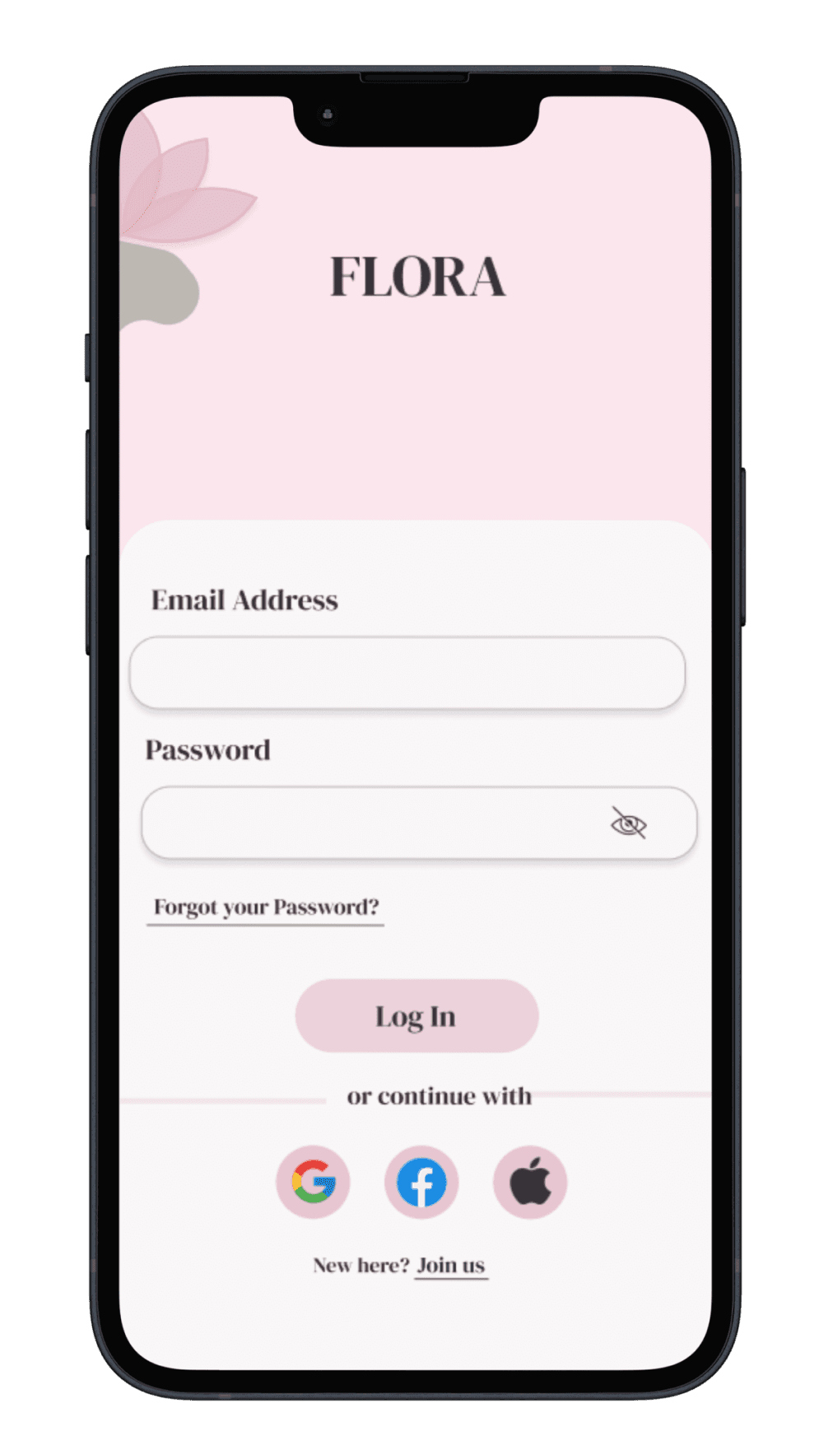
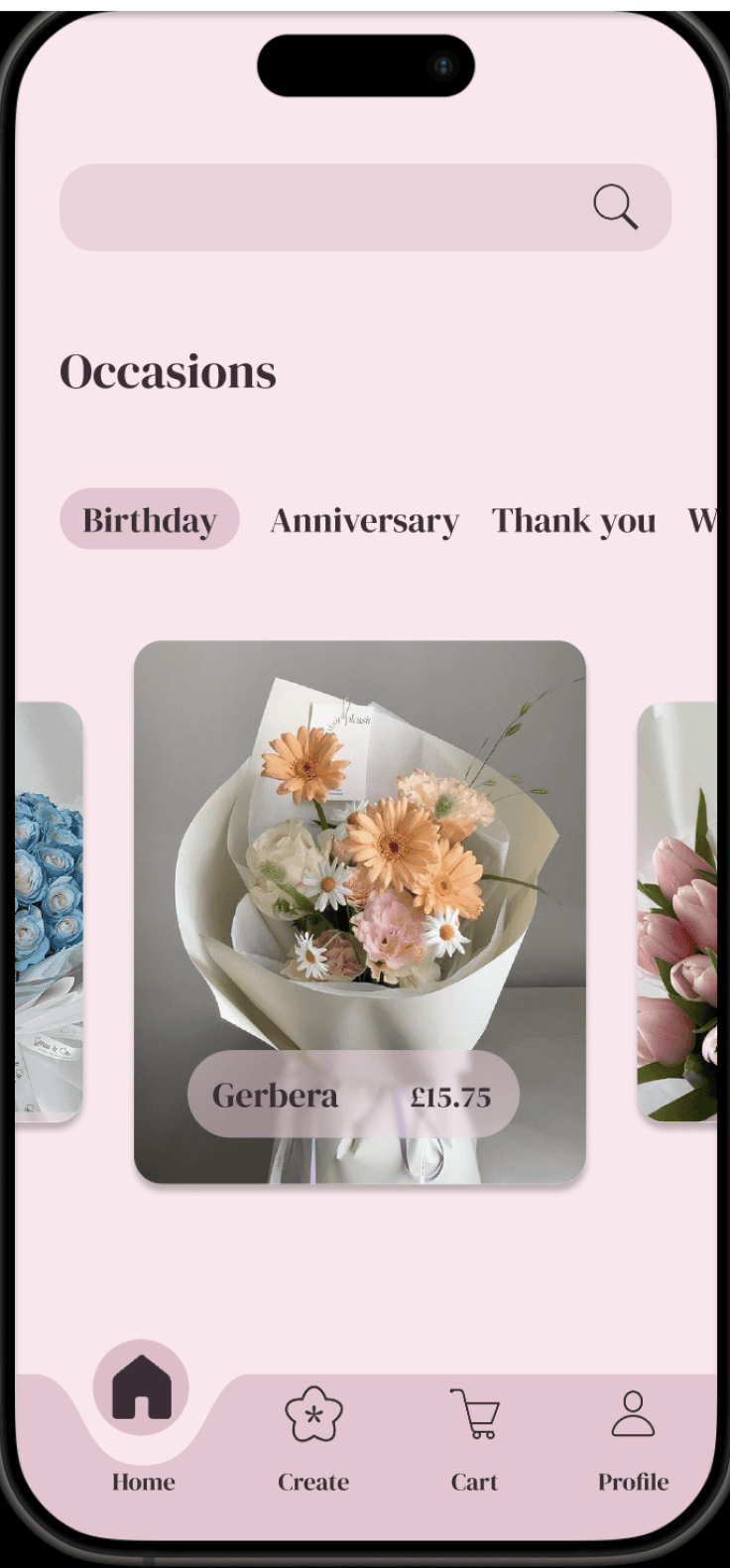
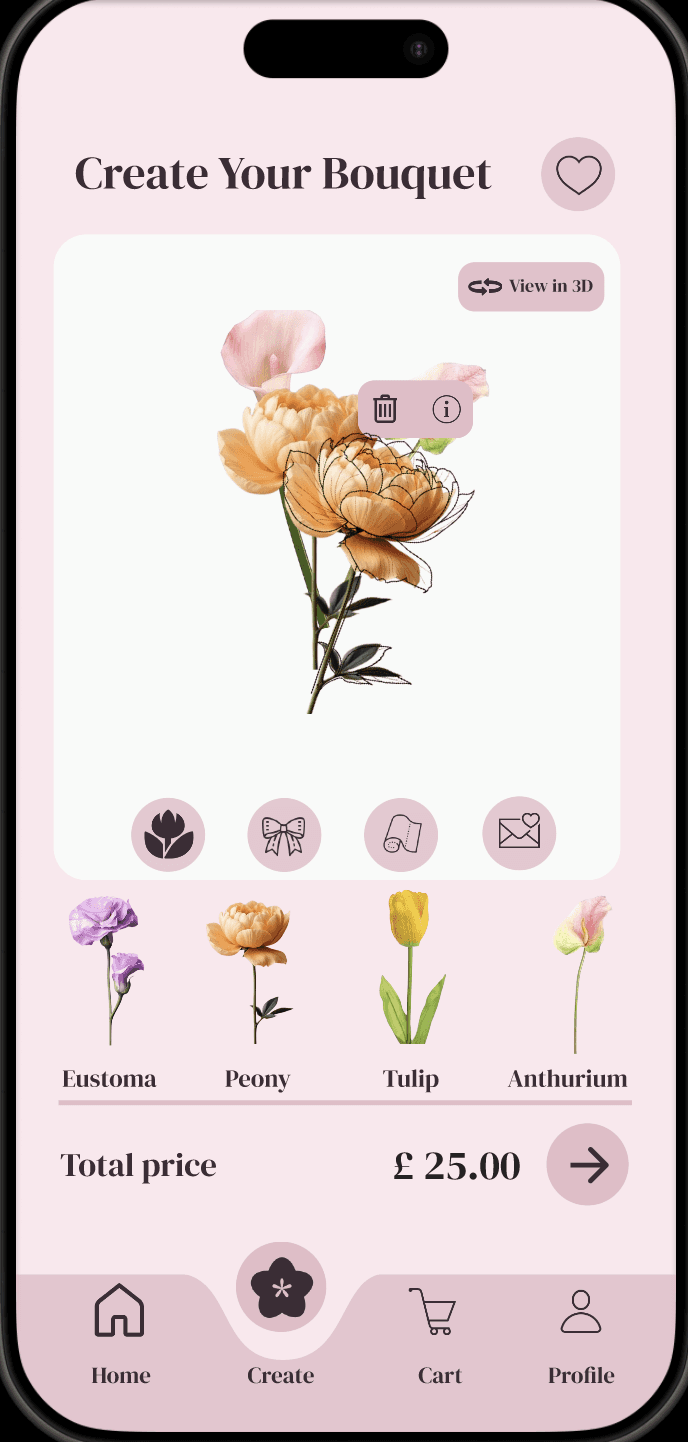
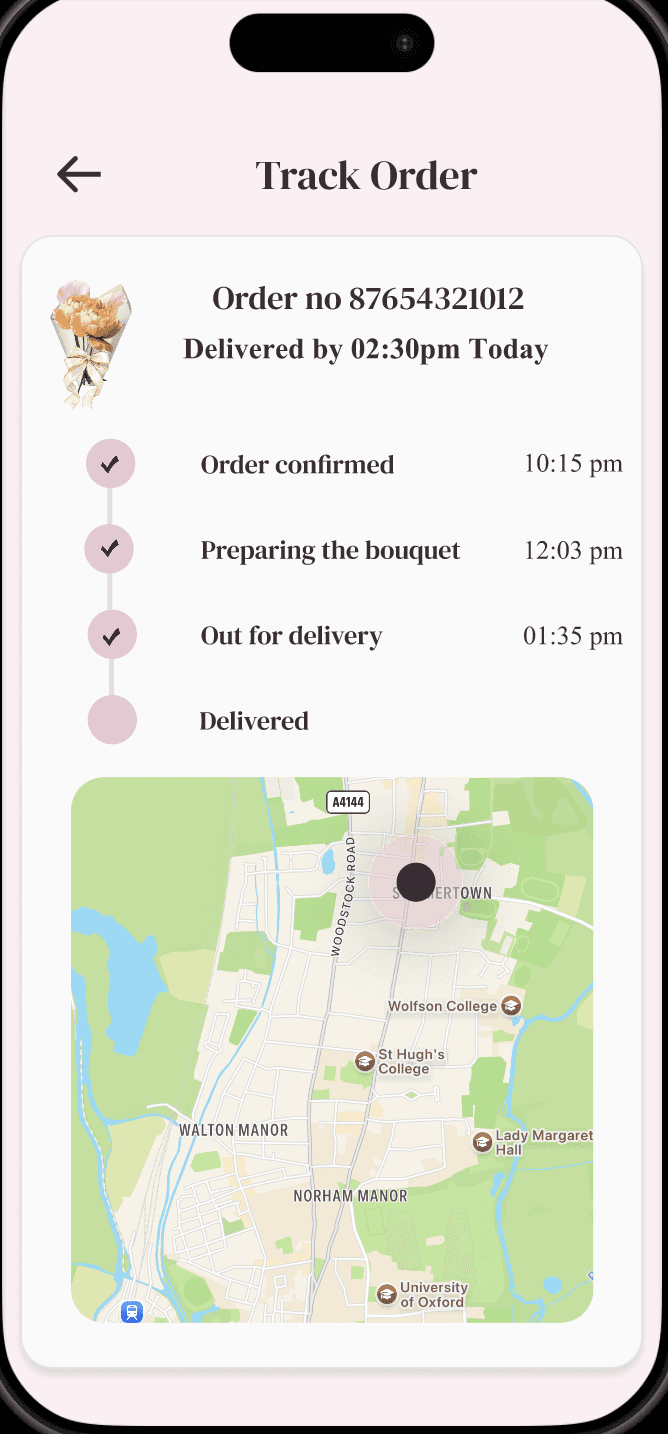
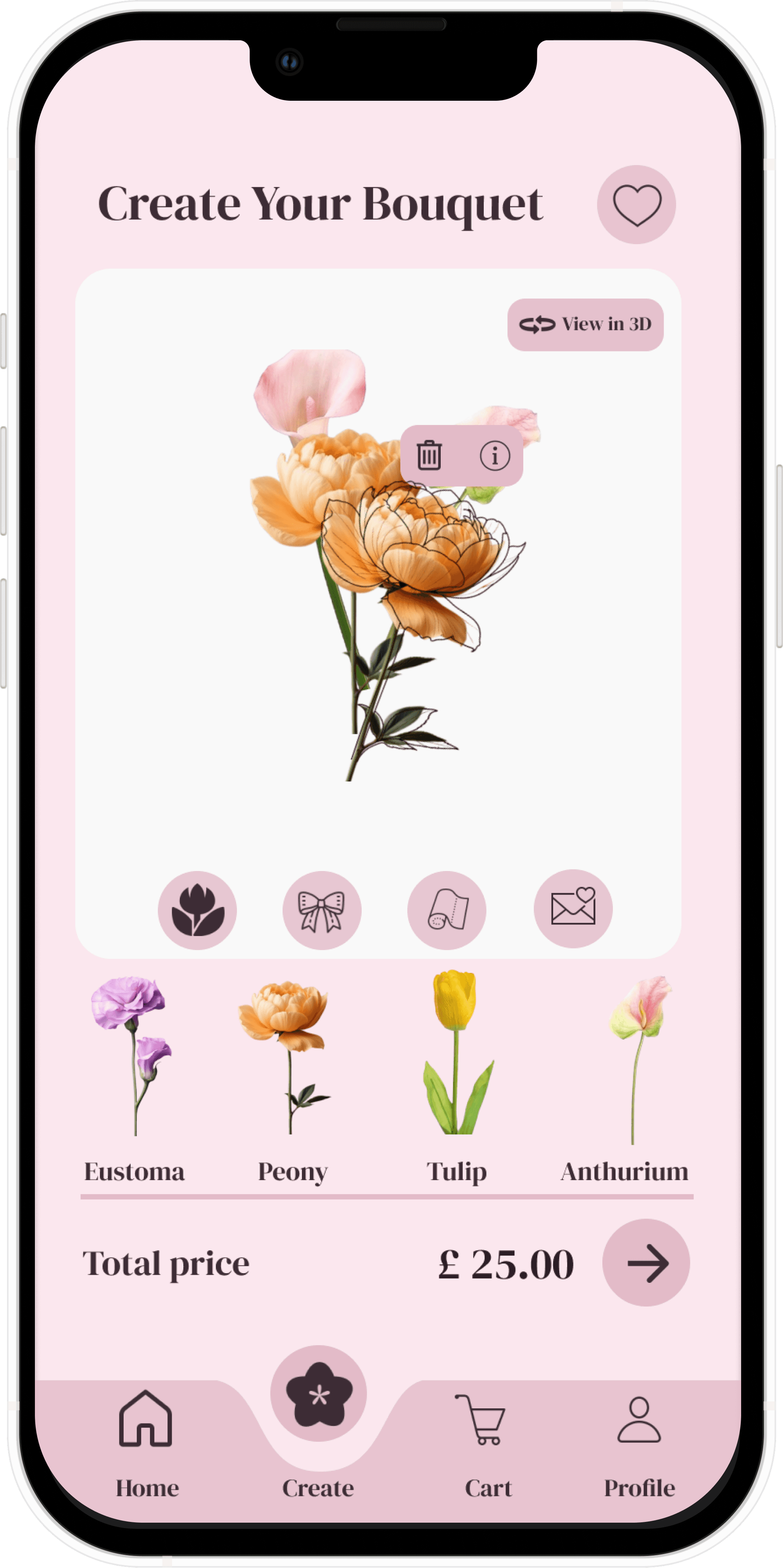
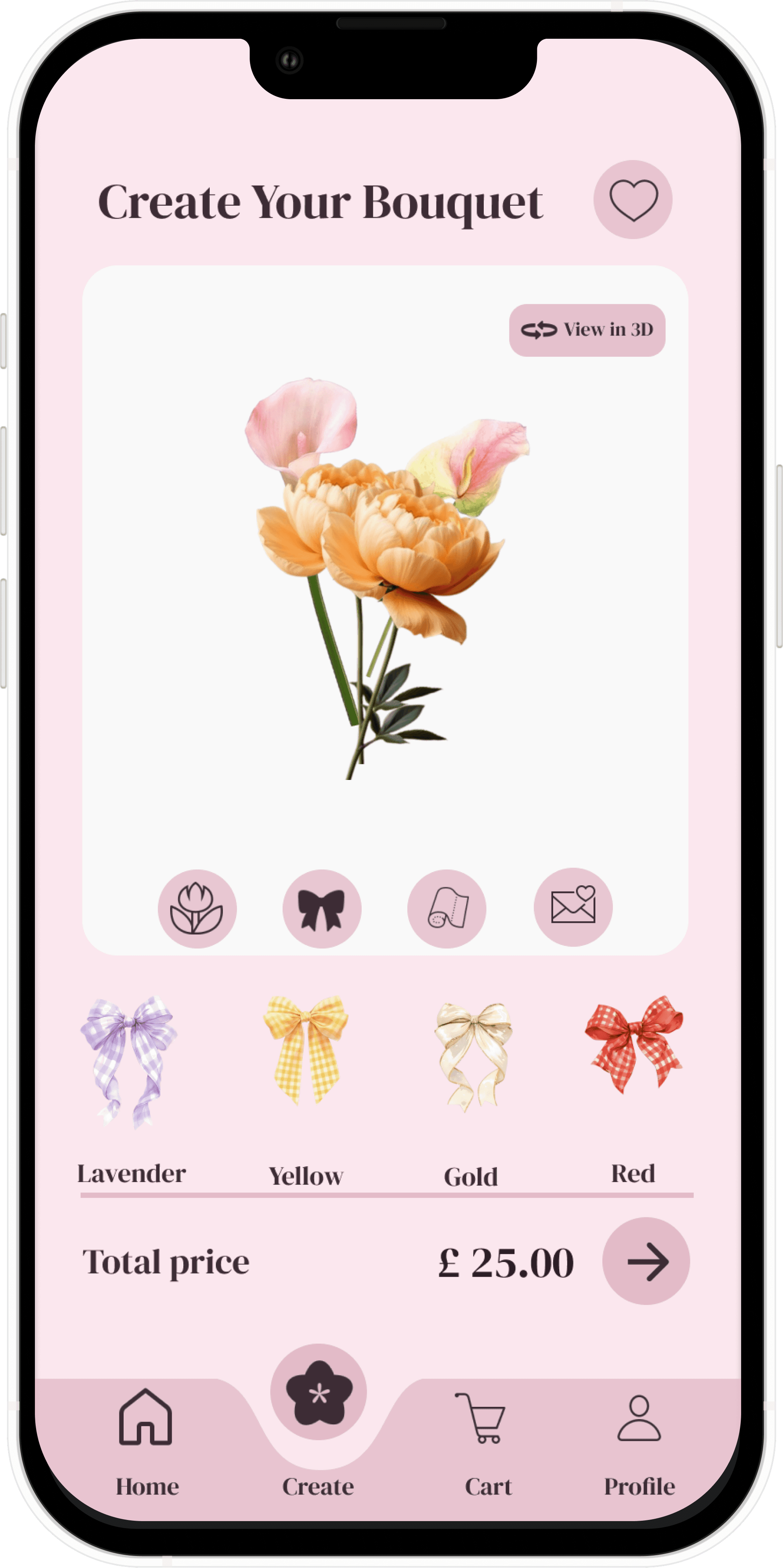
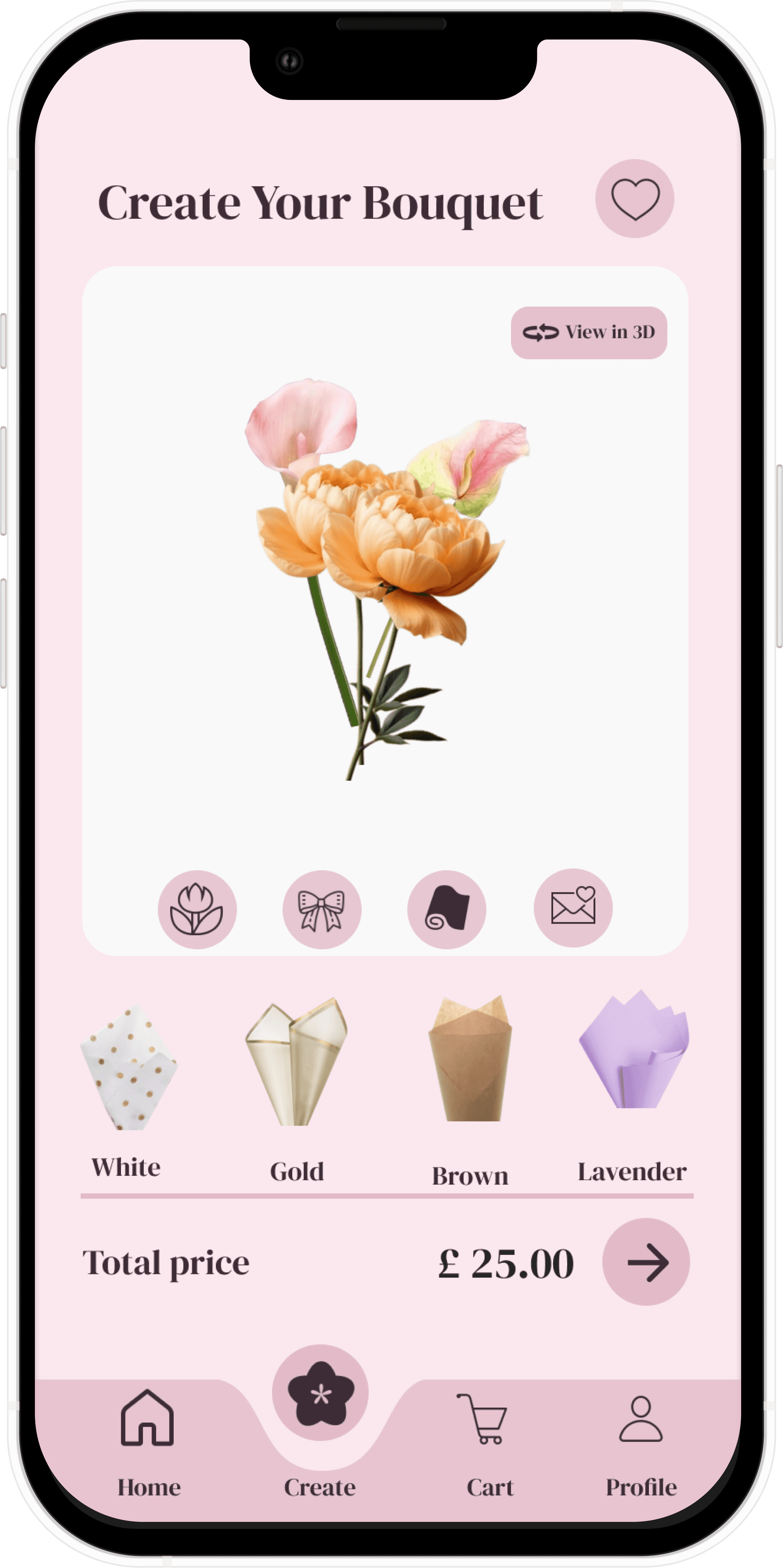
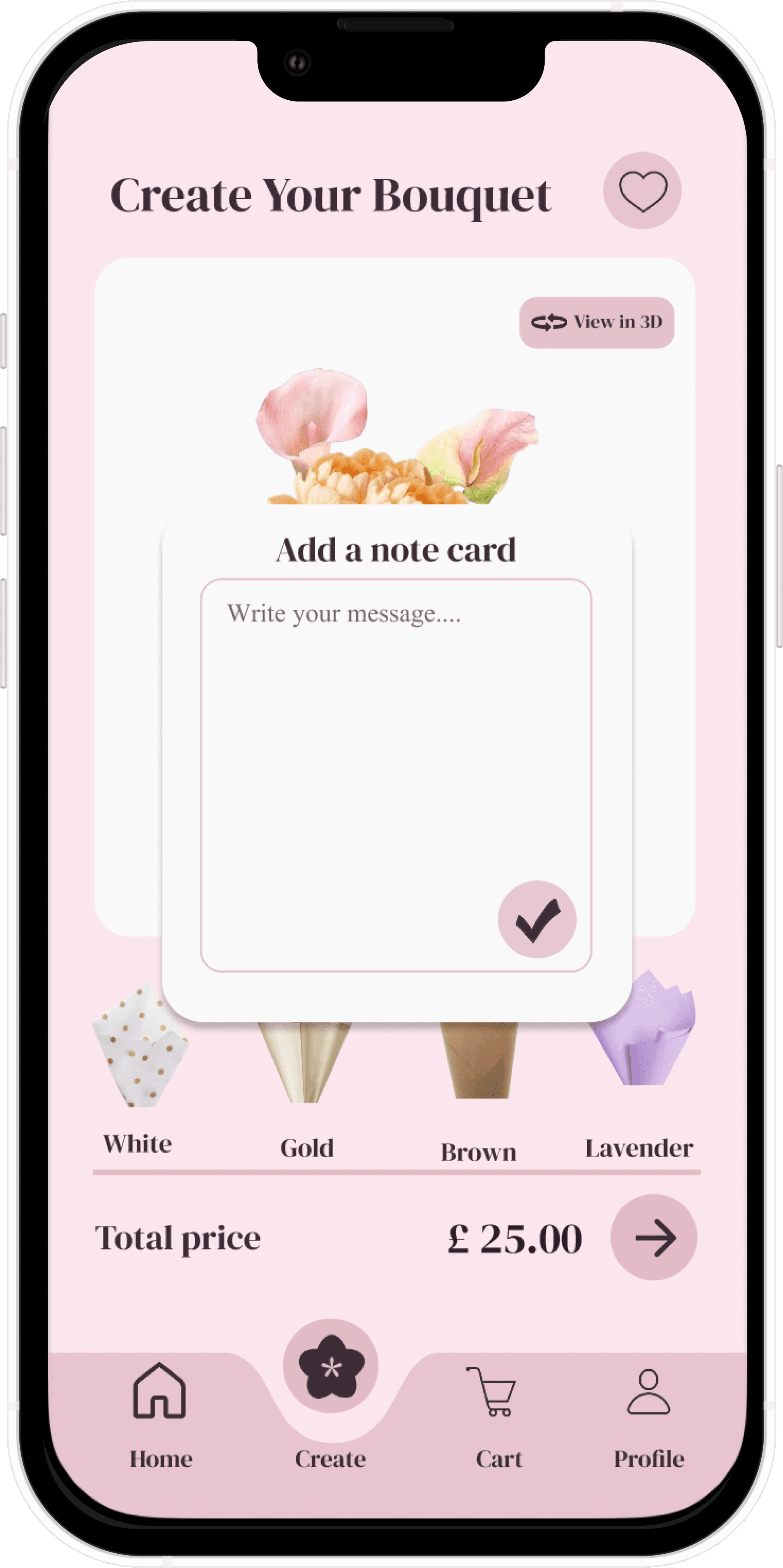
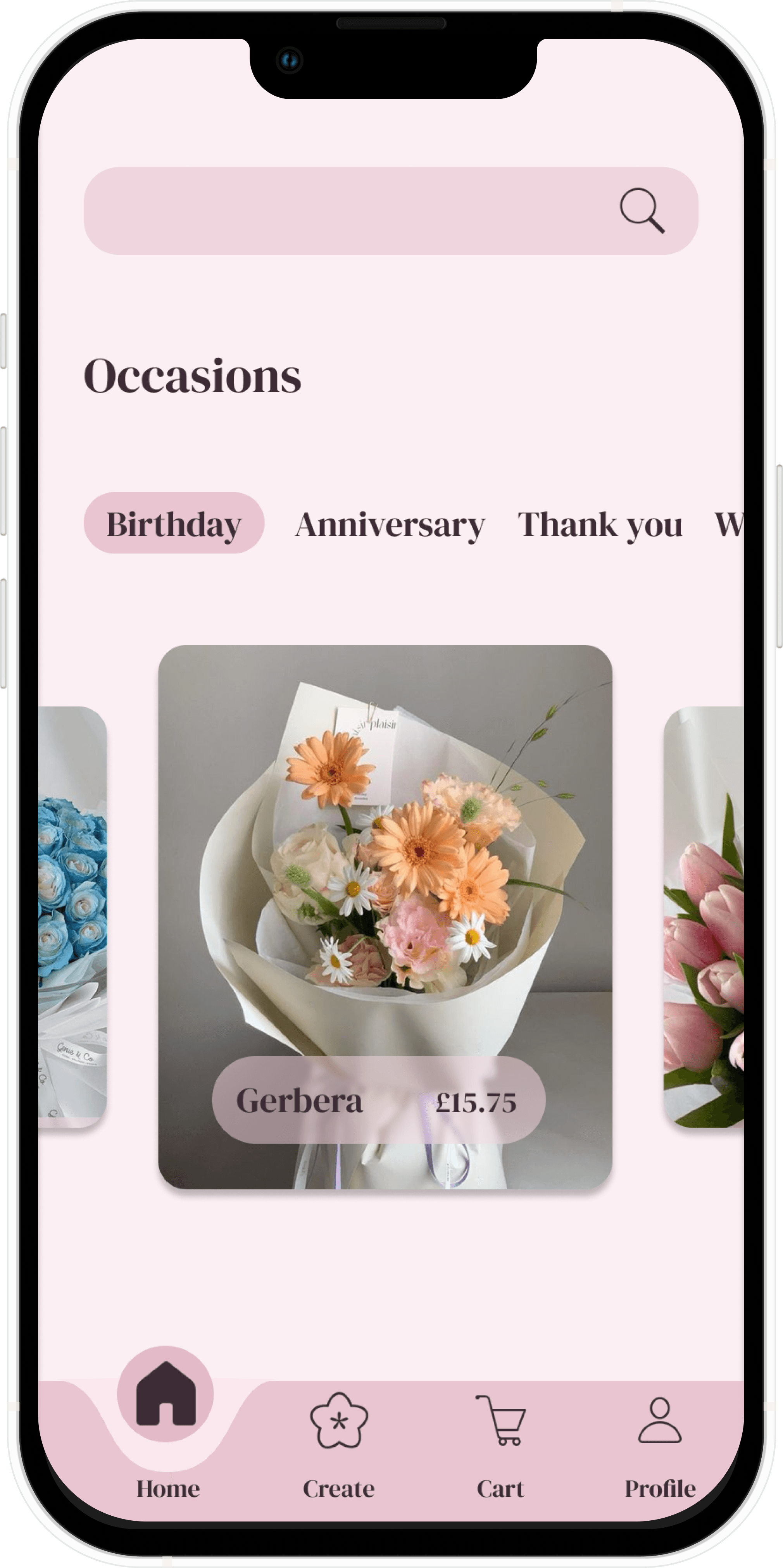
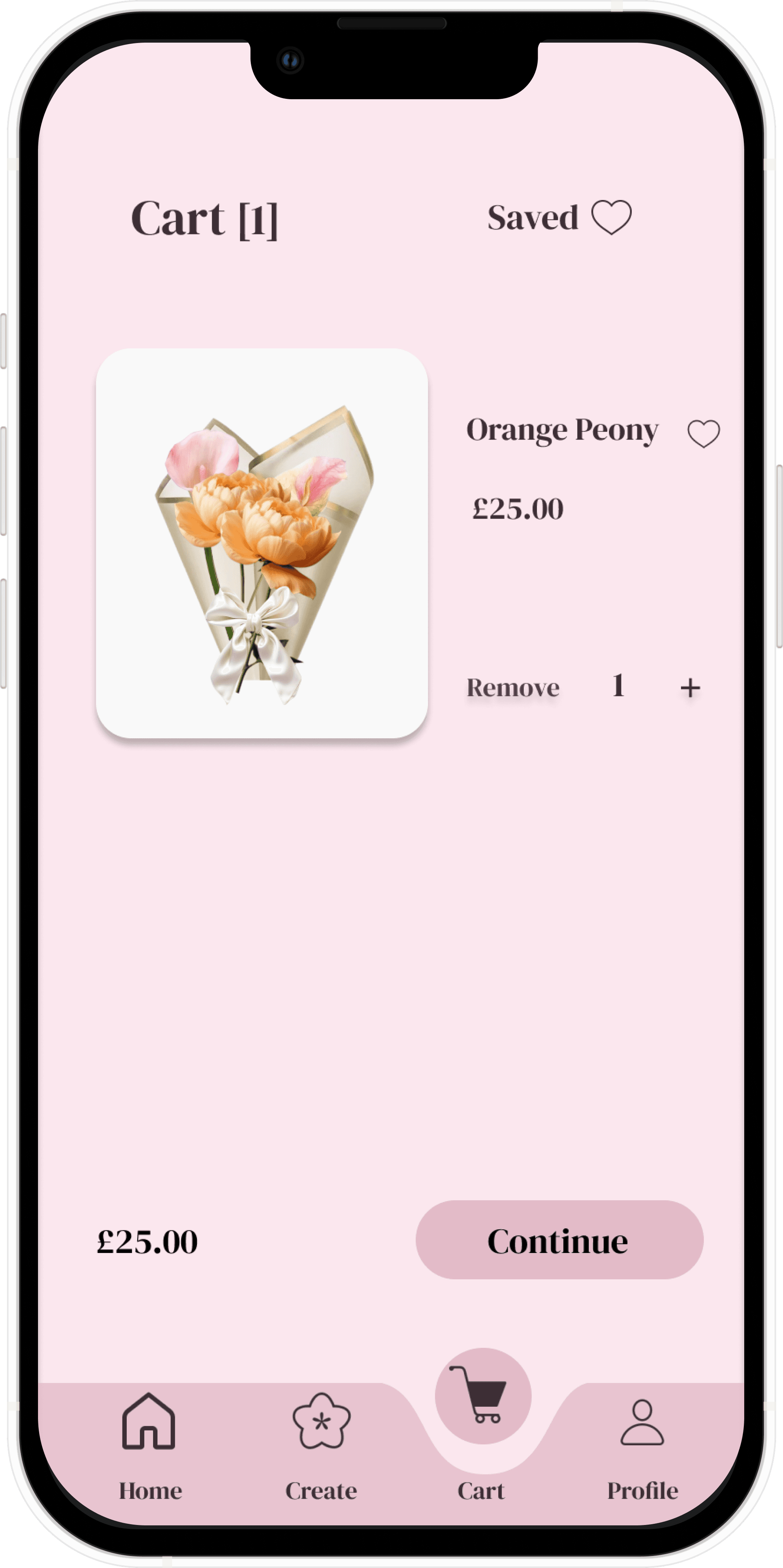
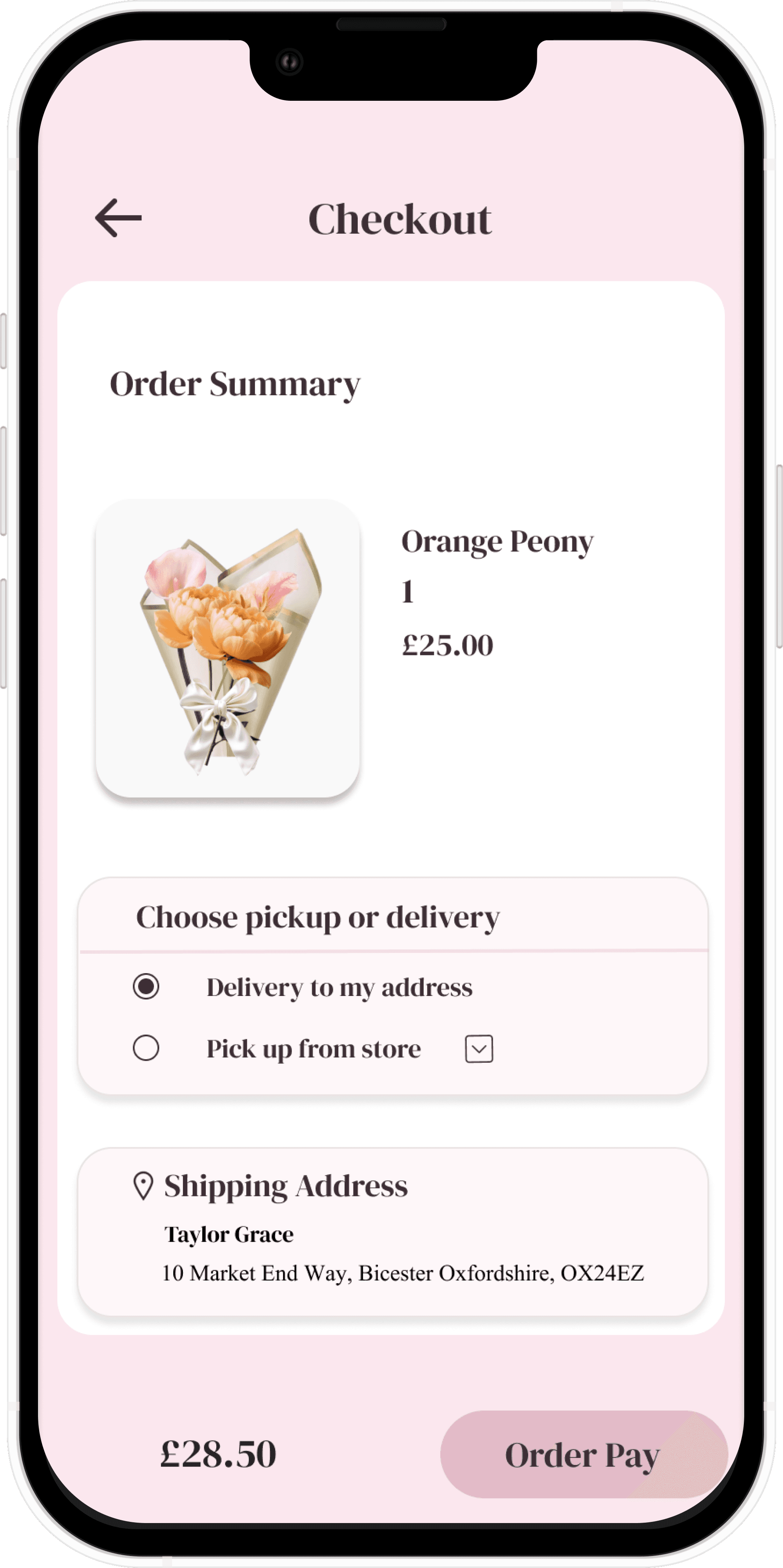
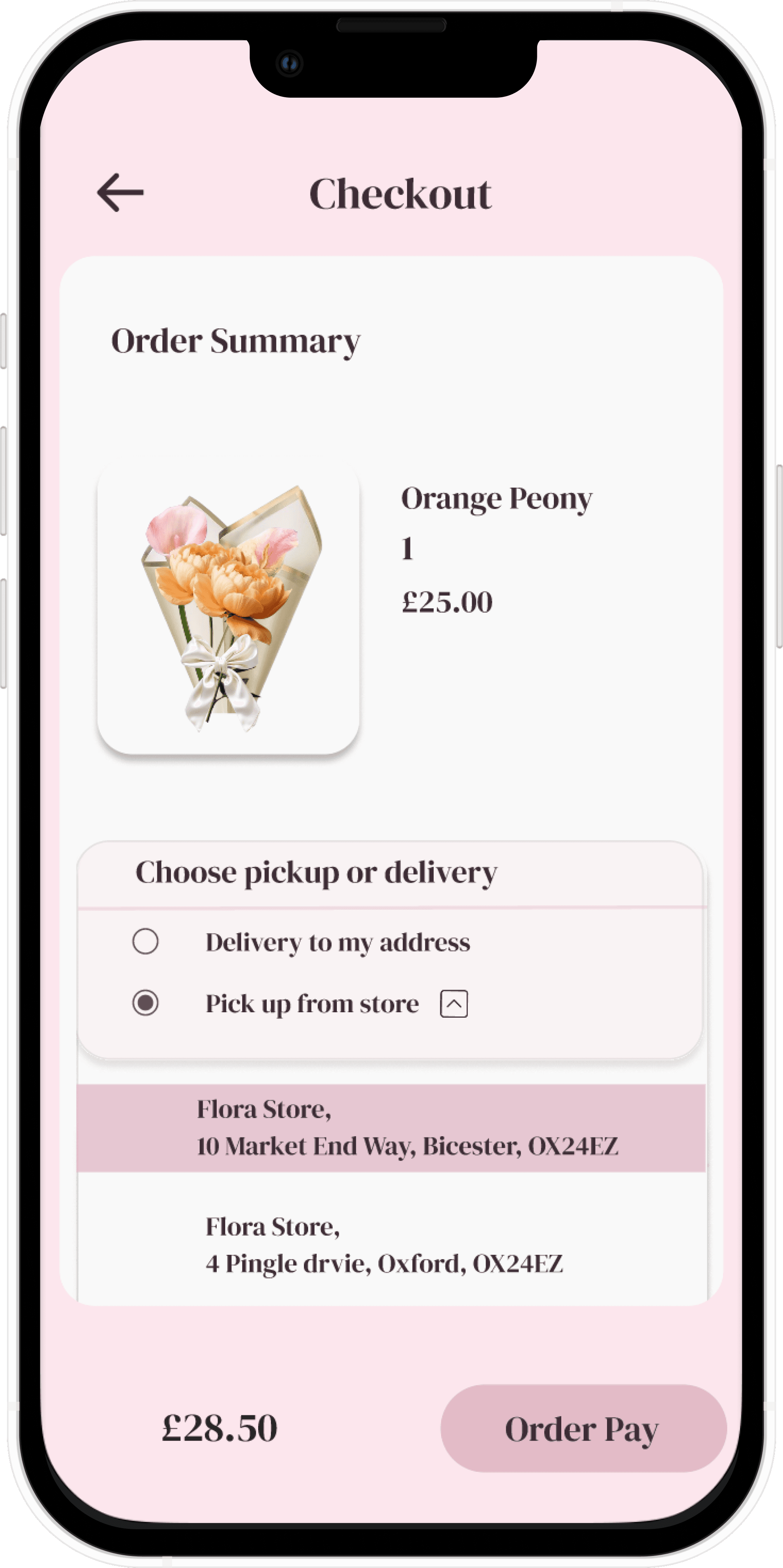
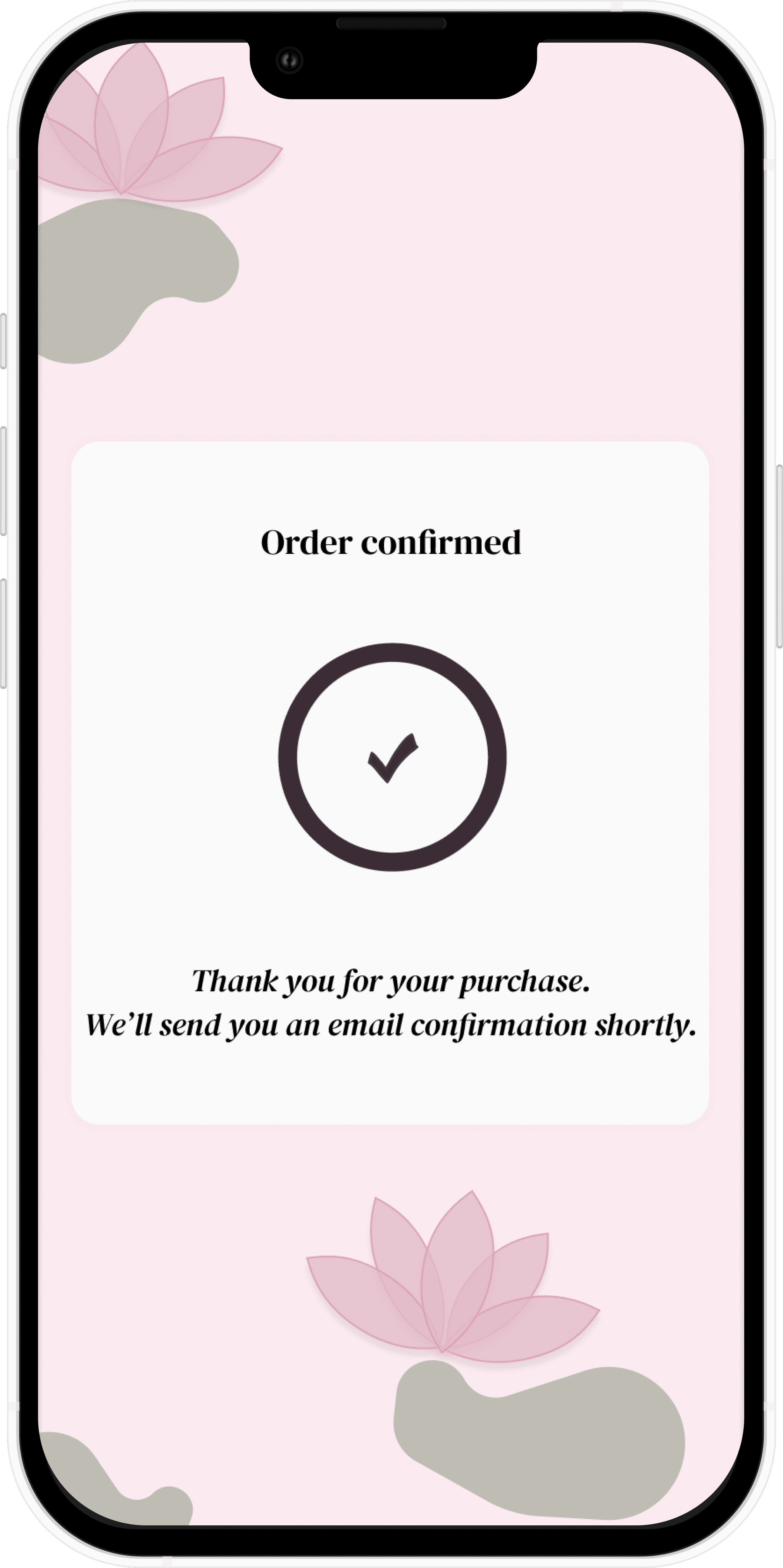
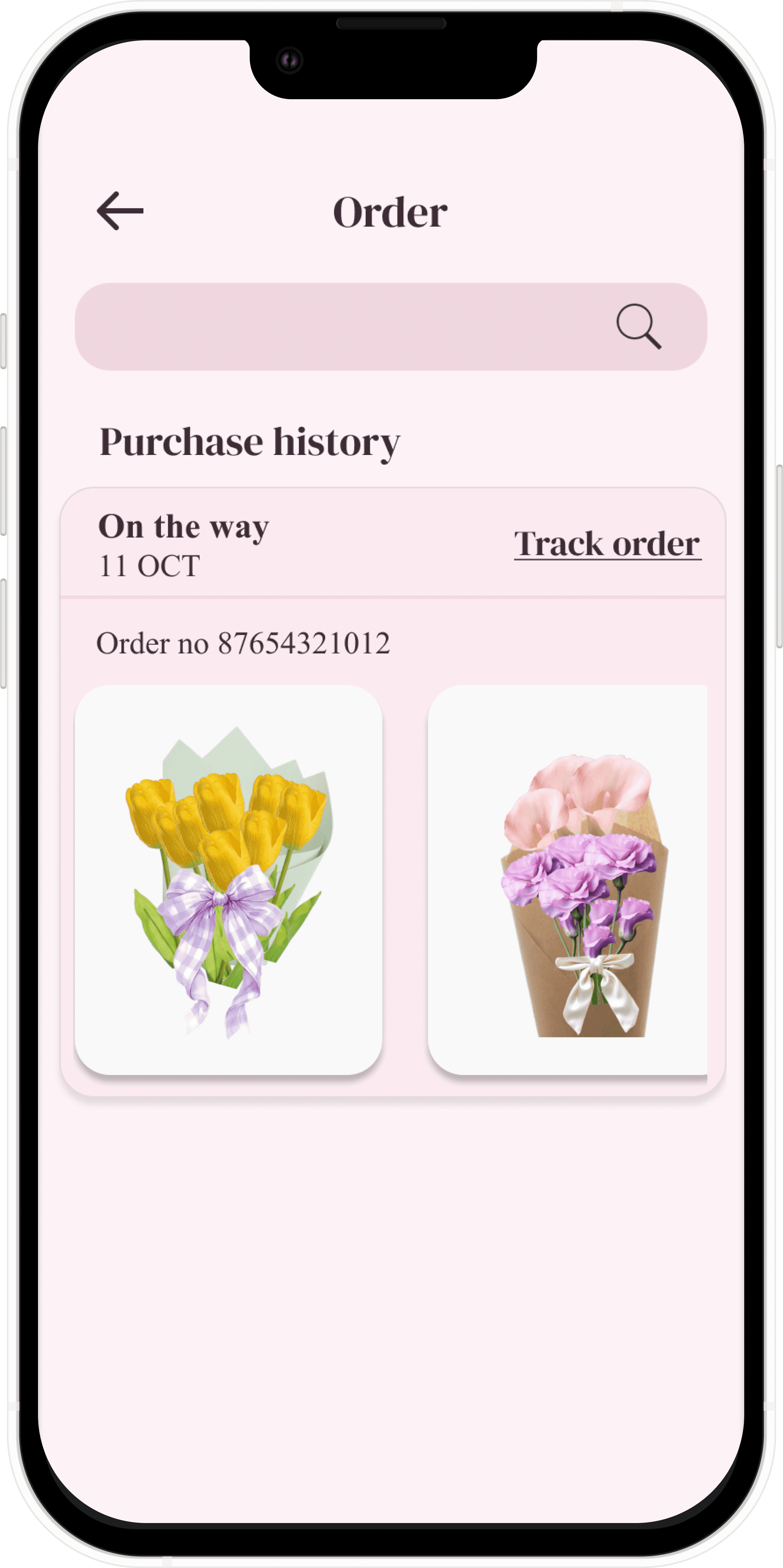
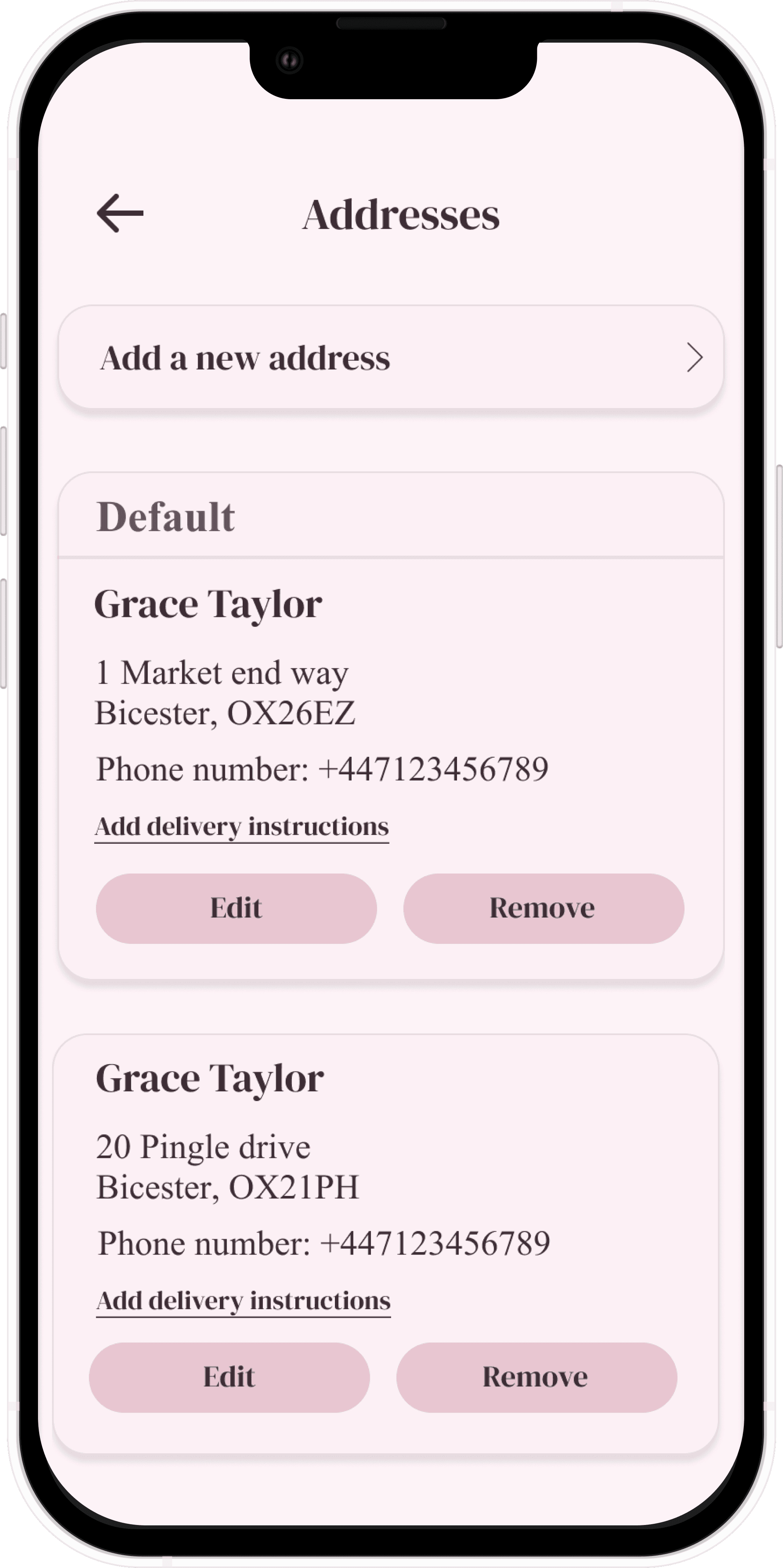
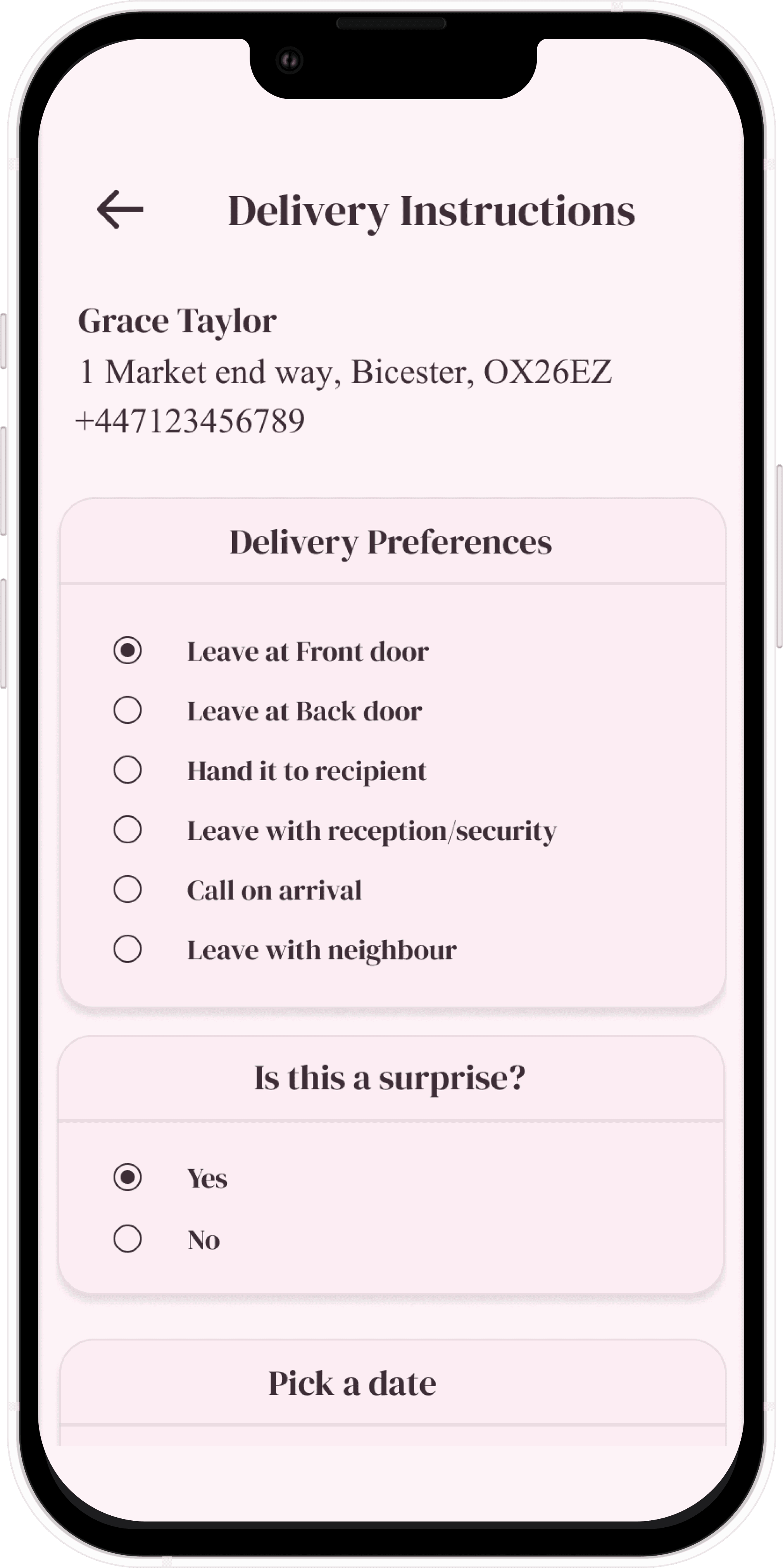
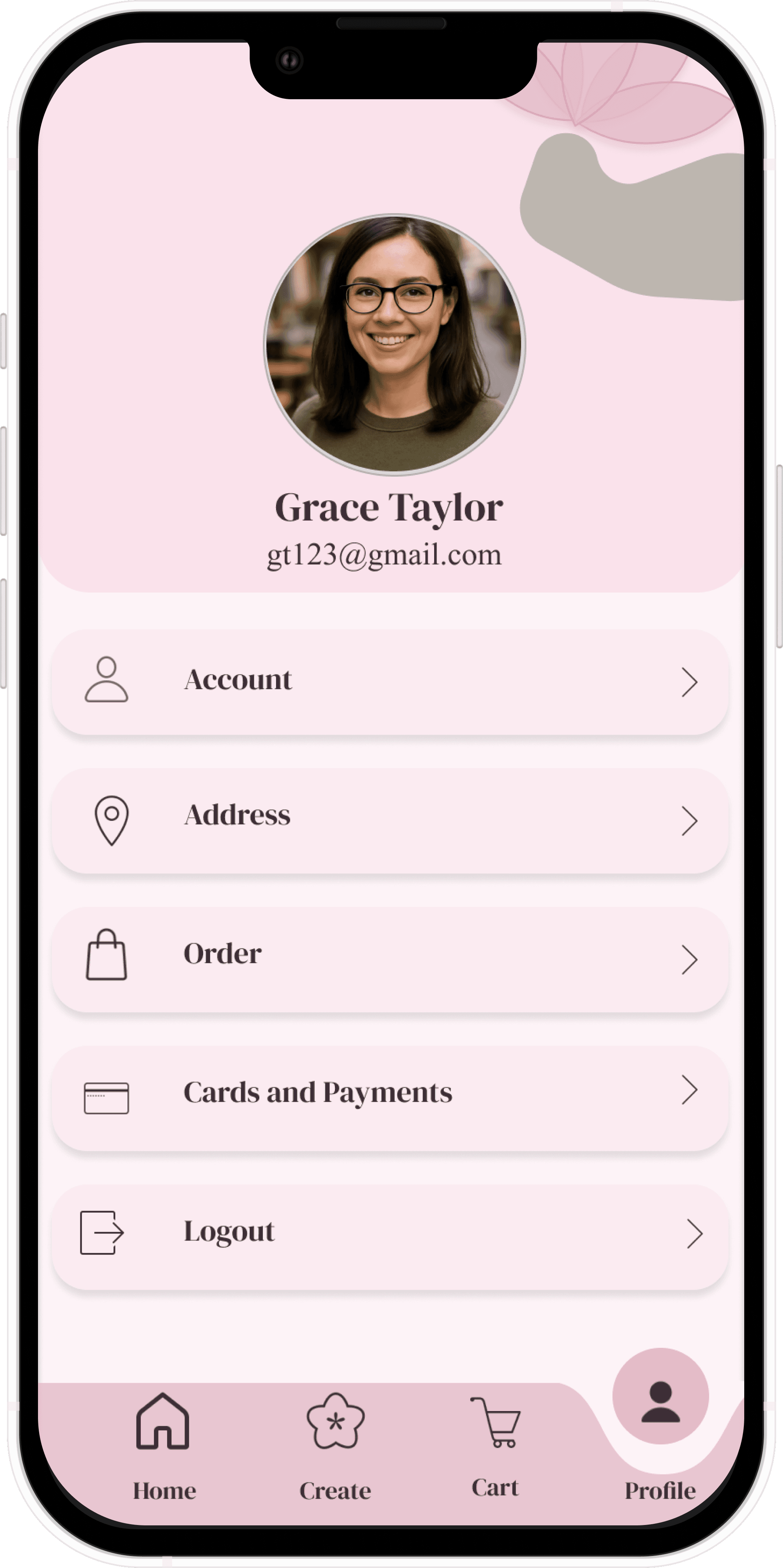
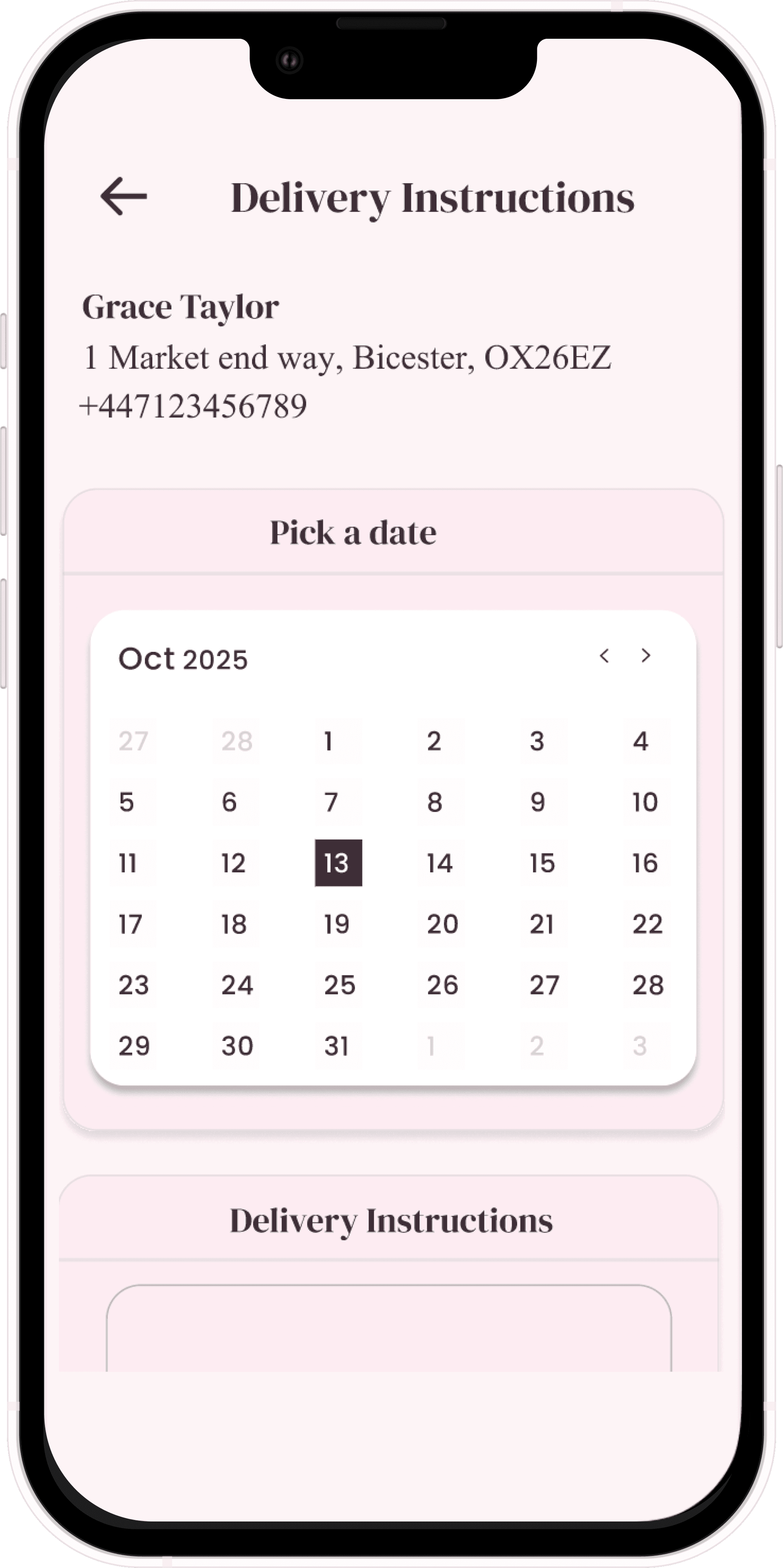
The high-fidelity designs bring Flora’s calm and emotionally grounded experience to life, focusing on clear visual
hierarchy, intuitive customisation, and transparent delivery information. Each screen was crafted to reduce stress,
support emotional decisions, and reflect the warmth of gifting flowers.
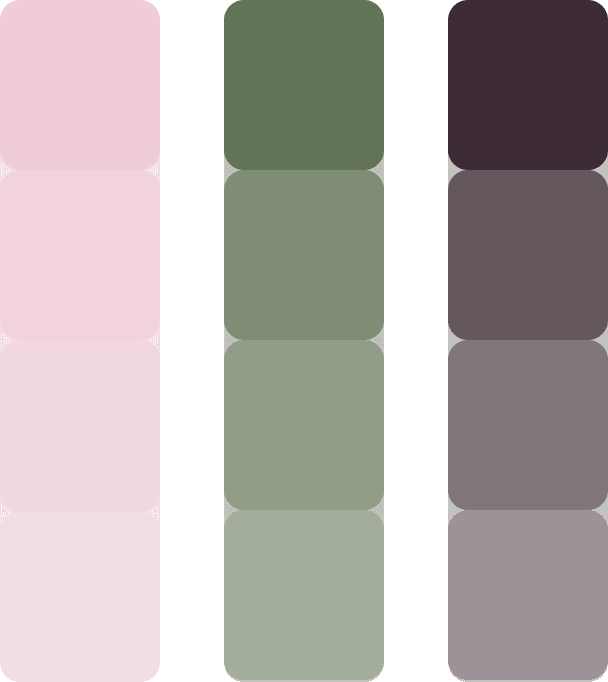
Color Palette
Font
App icon
App bar
DM Serif Display
Aa, Bb, Cc…
Home
Create
Cart
Profile
Welcome
Home and Browsing
Bouquet Creation & Customisation
Checkout & Payment
Order Tracking
Profile and Delivery Details
Usability study
To validate the design and understand how users interact with Flora, I connected to clickable prototype which
allows me to test the app on 4 users. The goal was to observe how easily they could browse flowers, customise a
bouquet, check out, and track an order. Insights from Round 1 informed key design improvements, which were
then re-tested in Round 2 or clarity and usability.
Usability study: Tasks
Tasks 1: Browse and select a bouquet
Please open the app and find a suitable bouquet for a birthday and view the product details.
Task 2: Customise a bouquet
Please customise the bouquet by choosing wrapping, flowers, and adding a personalised message.
Task 3: Complete Checkout & Track Order
Please proceed to checkout, enter delivery details, and track the order status.

User 1
User 2
User 3
User 4

User 1
User 2
User 3
User 4
User 1
User 2
User 3
User 4
Even users who completed the
task needed time to understand
how to change wrapping, flowers,
and message.
One participant could not find or
understand where customisation began.
All users completed the checkout and
tracking task, but two users mentioned
the flow felt “multi-step” without a clear
sense of progress.
Round 1 Findings
Usability test: Findings
Round 1 Findings
Users completed the flow easily, but two
almost skipped the personalised message
field.
Participants found bouquets faster, but
expected price filters near the search
bar.
Users completed the task but wanted
clearer delivery indicators.
Accessibility Considerations
I used a consistent visual hierarchy with adequate line spacing and a minimum 16px body text size to ensure that all
content remains readable for users with low vision or cognitive challenges.
The interface uses accessible colour contrasts between text and background, ensuring that essential information is
visible in various lighting conditions and for users with visual impairments.
Important icons, such as navigation and actions, are paired with text labels to support users who may struggle
to interpret visual symbols alone.
Images and icons are designed with descriptive labels to ensure compatibility with screen readers, helping visually
impaired users navigate core flows.
Navigation is consistent across all screens, reducing cognitive effort and ensuring that users can easily understand
where they are and how to move forward.
Result
Across two usability testing rounds with four participants, I evaluated how easily users could browse flowers,
customise a bouquet, and complete checkout. In Round 1, users successfully browsed and checked out, but struggled
with the customisation flow due to unclear buttons and visually crowded options. These insights led to improvements
such as clearer CTAs, grouped customisation steps, and a checkout progress bar. In Round 2, all participants
completed the tasks smoothly. Customisation became significantly easier, browsing became faster with improved
filters, and tracking felt more intuitive after visual refinements. Overall, the design became more intuitive, efficient,
and user-friendly.
Takeaways
The redesign made the experience of browsing,
customising, and ordering flowers significantly
smoother for all test participants. One user
shared,“This feels so much easier than any
flower app I’ve used — everything is clear and
intuitive.” This validated that the final design
successfully improved clarity, discoverability,
and overall user satisfaction.
Impact
What I Learned
Throughout this project, I learned how essential
continuous user feedback is in shaping a usable
and intuitive product. Conducting two rounds
of usability testing taught me to identify real
pain points early and iterate quickly to improve
the flow. I also strengthened my skills in visual
hierarchy, interaction design, and accessibility
— ensuring the final solution not only looked
good but was easy for anyone to use.
Next Steps
I would explore adding more personalisation options, such as vase selection, bouquet size presets, and real-time floral
substitutions. This would give users greater creative control and elevate the emotional value of each order.
Testing with more diverse users would help validate the current flow, uncover new pain points, and ensure the design
works well across different ages, technical comfort levels, and shopping behaviors.
Adding subtle animations — such as flowers blooming during customization or a progress indicator during tracking —
would enhance delight and improve feedback, making the experience feel even more intuitive and engaging.
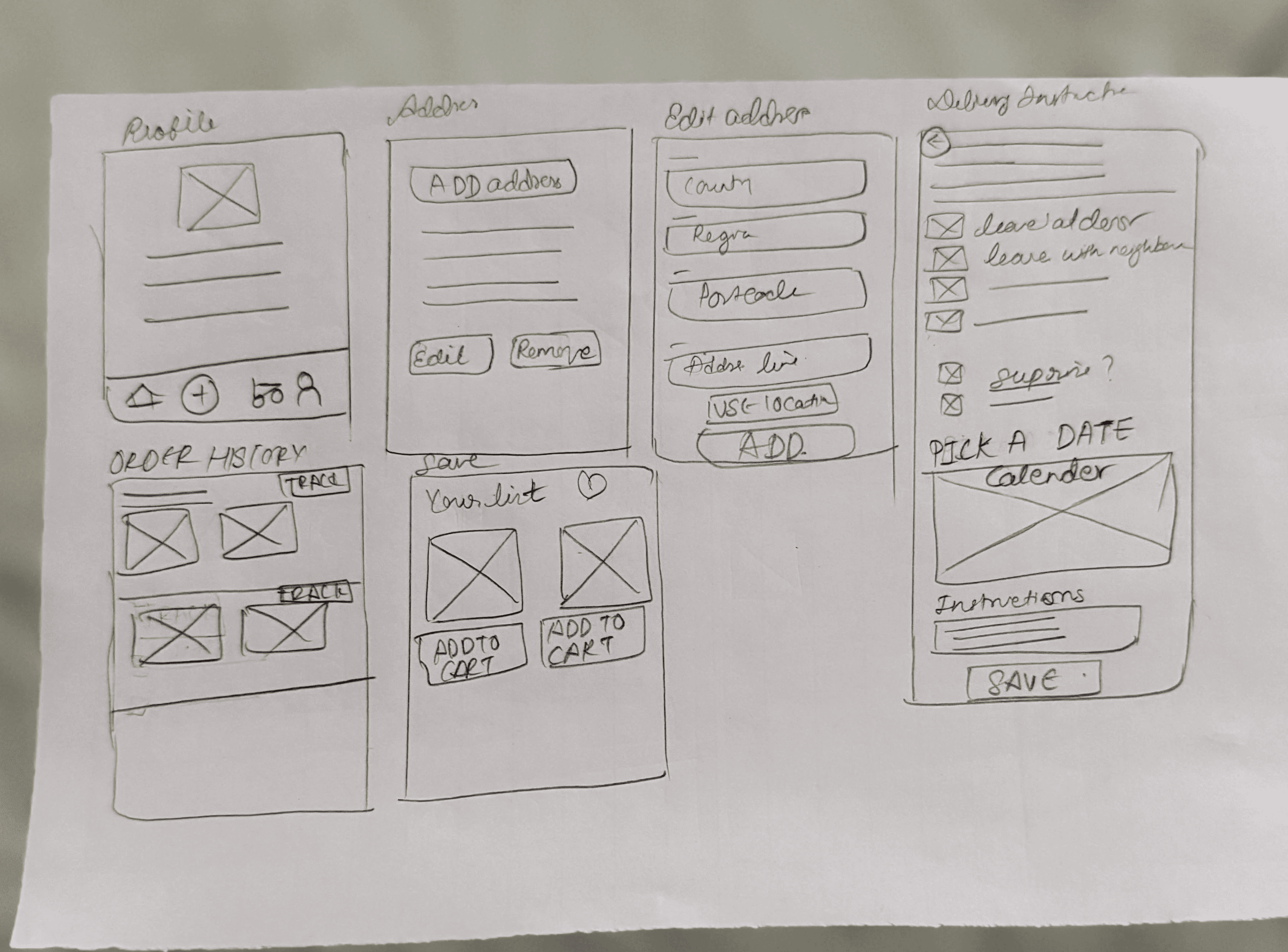
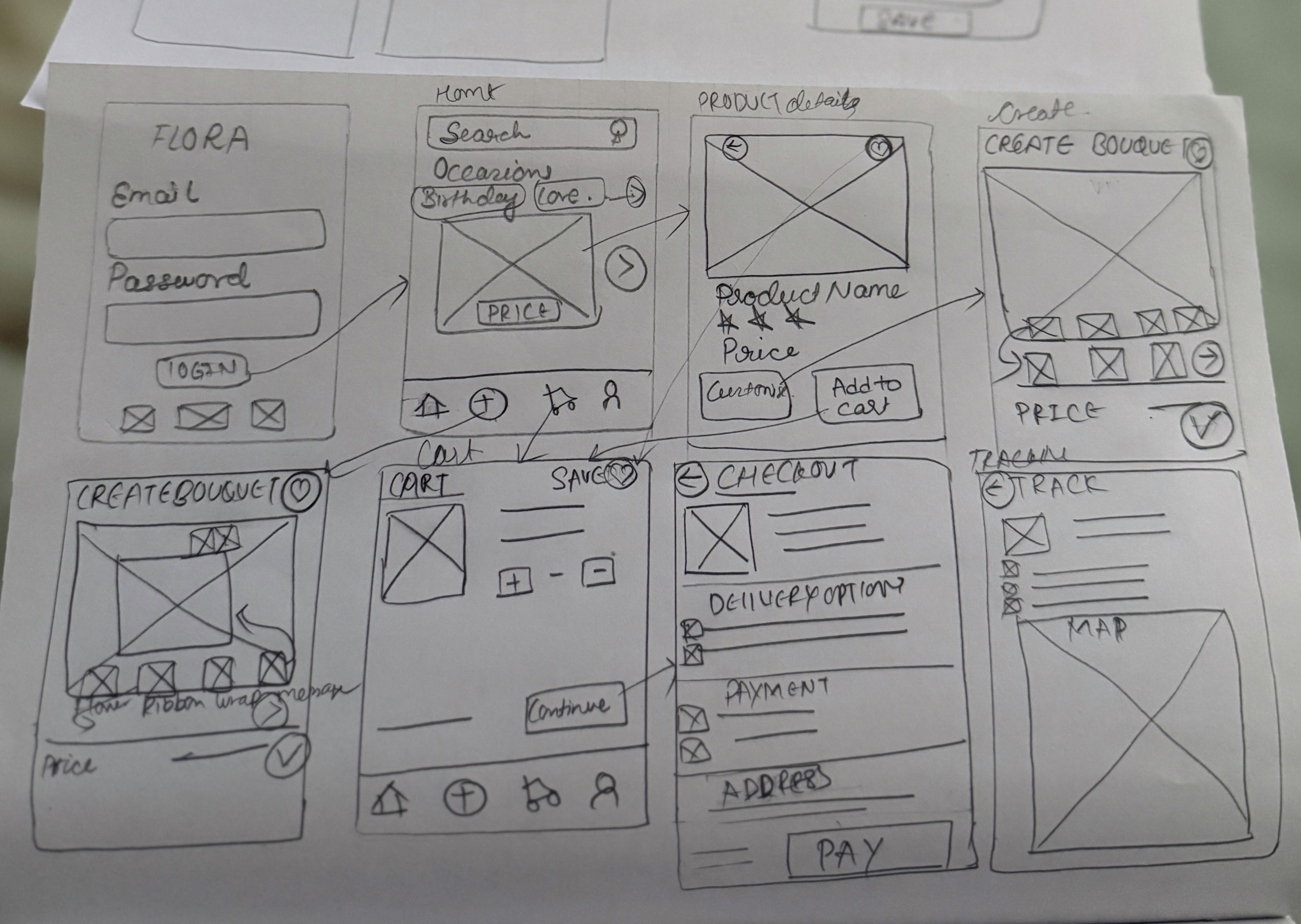
Wireframe
grgsnea@gmail.com